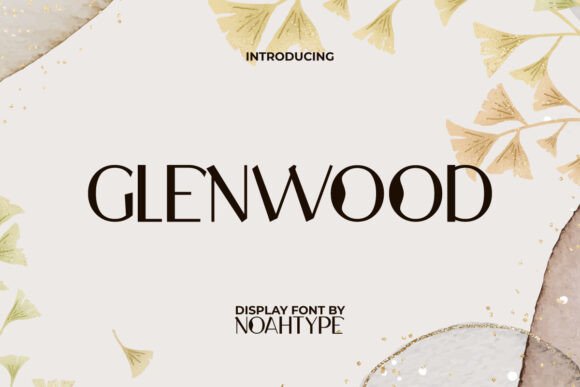
Glenwood Typeface: Elevating Handmade Brand Identity
I was staring at a blank canvas on my screen, trying to design the final label for a batch of hand-poured soy candles. The wax had just set, the wicks were trimmed, and the scent was perfect, but the label felt... flat. It lacked that specific "wow" factor that makes a customer stop scrolling and add an item to their cart. That’s when I pulled up Glenwood. As a unique, elegant, unusual serif display font, it immediately brought a sense of curated sophistication to the design. This isn’t just another typeface; it is a creative tool that transforms simple product mockups into high-end boutique experiences.
For handmade sellers, printable creators, and small business owners, typography is often the unsung hero of brand identity. It sets the mood before a customer even reads the product description. Glenwood, with its distinct shapes and interesting letterforms, offers exactly what modern crafters need: a visual personality that stands out without shouting. Whether you are designing wedding invitations, seasonal stickers, or digital planner pages, understanding how to leverage a premium display font can significantly impact your shop’s perceived quality.
The Visual Personality of Glenwood
What makes Glenwood special in the world of fonts is its unusual character. Unlike standard serif fonts that can feel rigid or overly traditional, Glenwood has unique shapes on some letters that catch the eye. It feels both vintage and contemporary, striking a balance that works beautifully for brands aiming for an artisanal yet polished look. When you place this text on a packaging tag or a greeting card, it doesn’t just sit there; it invites the viewer to look closer.
This font falls squarely into the Display category, meaning it is designed to be seen. It carries a mood of elegance and refinement, making it ideal for editorial design, luxury branding, and creative projects where aesthetics are paramount. The charm of Glenwood lies in its ability to act as a focal point. When used correctly, it elevates the entire composition, suggesting that the product inside is crafted with care and attention to detail. For makers who spend hours perfecting every stitch or pour, having a font that reflects that same level of craftsmanship is essential.
Real-World Applications for Makers and Sellers
I have found Glenwood to be incredibly versatile across various product lines. Here is how I integrate it into my workflow and why it works so well for other creative entrepreneurs.
Product Labels and Packaging Design
If you sell physical goods like candles, bath bombs, or baked treats, your labels are your first impression. Glenwood’s bold, elegant presence ensures that your brand name pops on a shelf or in a social media photo. I use it primarily for the main product title or the brand logo. Its unique letterforms add a touch of uniqueness that generic fonts lack. For boutique tags attached to jewelry or clothing, this font adds a layer of perceived value, making customers feel they are purchasing from a established, high-quality brand rather than a casual hobbyist.
Stationery and Wedding Invitations
In the realm of stationery, Glenwood shines. I recently designed a set of wedding welcome boards using this typeface. The unusual serifs provided a romantic yet structured feel that perfectly matched the floral elements in the design. It is also excellent for birthday invitations, baby shower cards, and formal event programs. Because it is a display font, it commands attention, making it perfect for titles, names, and dates. However, for the body text of invitations, I always pair it with a cleaner, more readable font to ensure guests can easily read the details.
Digital Downloads and Printables
For those selling digital assets, such as printable wall art, planner pages, or SVG files for Cricut and Silhouette users, Glenwood is a powerful asset. Wall art featuring motivational quotes or farmhouse-style phrases looks stunning in Glenwood. The font’s artistic flair turns simple text into a decorative piece. When creating listing images for Etsy or online marketplaces, using Glenwood in your mockups helps them stand out in search results. It signals to buyers that the design is thoughtful and professionally styled.
Seasonal and Holiday Products
Seasonal crafting is huge, and Glenwood adapts well to different themes. For holiday tags, it adds a classic, timeless feel to Christmas ornaments or gift boxes. For spring products, its elegant curves complement floral designs beautifully. I’ve used it for tote bag designs where a short, punchy phrase needed to look chic rather than cheesy. The font’s versatility allows it to fit into modern, rustic, and minimalist aesthetics alike.
Design Tips for Maximum Impact
To get the most out of Glenwood, consider these practical tips based on my experience as a product maker.
- Use for Short Phrases: As a display font, Glenwood is best suited for headlines, titles, names, and short slogans. It is not designed for long paragraphs of text. Using it for body copy can make your designs hard to read and visually overwhelming.
- Pairing Strategies: To create a balanced design, pair Glenwood with a clean sans serif font or a simple script font. A clean sans serif provides a modern contrast that lets the unique shapes of Glenwood take center stage. For wedding stationery, a delicate handwritten script can complement its elegance while maintaining readability for smaller details.
- Consider Readability: When designing for small formats like sticker sheets, product labels, or mug prints, test your design at actual size. The unique shapes of the letters might become indistinct if scaled down too much. Ensure that the kerning and spacing allow the text to breathe, especially on curved surfaces like mugs or bottles.
- Leverage Alternates: Check if your font file includes alternates, ligatures, or swashes. These features can add extra flair to your designs, allowing you to customize certain letters for a more bespoke look. This is particularly useful for logo design and monogramming.
Technical Considerations for Commercial Use
Before you start printing thousands of labels or uploading SVGs to your shop, it is crucial to review the licensing terms. Always check the included styles, weights, and file formats to ensure compatibility with your design software. If you plan to sell physical products or digital downloads, verify that you have the appropriate commercial font license. Different licenses may apply to print runs, merchandise, and digital distribution.
Additionally, consider multilingual support if your audience is global. Ensuring the font supports the characters you need prevents awkward workarounds later in the design process. By treating typography as a strategic part of your brand identity, you not only enhance the aesthetic appeal of your products but also build trust and recognition with your customers. Glenwood is more than just a font; it is a design partner that helps bring your creative vision to life.
Finalizing Your Creative Project
Incorporating Glenwood into your workflow requires a shift in perspective—from viewing fonts as mere text carriers to seeing them as integral design elements. When you approach your next project, whether it’s a new line of eco-friendly soap or a set of digital planners, let the unique personality of the typeface guide your layout. Experiment with spacing, color, and pairing to find the combination that best represents your brand. The result will be a cohesive, professional, and emotionally resonant product that connects with your audience on a deeper level.
As you continue to refine your craft, remember that consistency is key. Using Glenwood across various touchpoints—your website, social media graphics, packaging, and marketing materials—helps create a strong brand identity. It becomes instantly recognizable, turning casual browsers into loyal customers. So, open your design software, select Glenwood, and watch your handmade creations transform into something truly special. The right typeface can make all the difference in telling your brand’s story.